






What is Iaido? A Beginner's Guide to Japanese Sword Arts
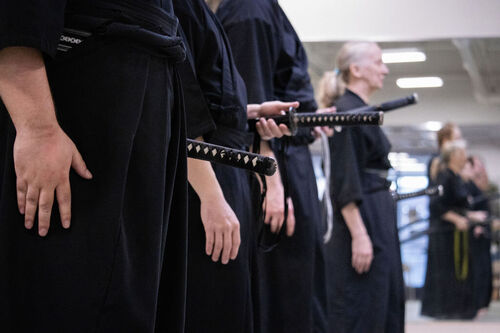
Have you ever wondered what it’s like to train with a Japanese sword in a calm, focused way?
Are you looking for a martial art that builds discipline rather than competition?
Curious about where to begin with traditional sword training in your area?
This beginner’s guide explains what Iaido is, how it is practiced, and what makes it such a unique Japanese martial art. You’ll also discover why so many people search for Iaido in Ann Arbor when looking for a mindful, structured introduction to sword-based training.
What is Iaido?
Iaido is a traditional Japanese martial art centered on the smooth, controlled drawing of a sword from its scabbard, followed by precise cutting motions and a careful return of the blade. Unlike combat sports that emphasize sparring, Iaido focuses on form, awareness, posture, and mental discipline.
Rooted in samurai traditions, Iaido developed as a way to train readiness and composure in unpredictable situations. Practitioners move through solo patterns called kata, which simulate responses to imagined opponents. These movements are performed with intention, precision, and calm focus rather than speed or aggression.
The Core Idea Behind Iaido
At its heart, Iaido teaches one continuous concept: readiness with calm awareness.
Training typically follows a structured sequence:
- Drawing the sword (nukitsuke)
- Performing a controlled cut (kiritsuke)
- Cleaning the blade motion (chiburi)
- Returning the sword to the scabbard (noto)
These steps are repeated through kata practice to build precision, balance, and mental clarity.
Rather than reacting with force, students learn to respond with control and efficiency, making Iaido as much a mental practice as a physical one.
Why People Practice Iaido
Iaido attracts students for reasons that go beyond martial technique. Many practitioners describe it as a moving form of meditation.
Common benefits include:
- Improved focus and concentration
- Better posture and body awareness
- Increased patience and discipline
- Stress reduction through structured repetition
- Connection to Japanese cultural tradition
Because there is no sparring or competition, students can fully focus on internal development instead of external performance pressure.
Training Equipment and What Beginners Use
Most beginners start with:
- A wooden sword (bokken)
- An unsharpened practice sword (iaito)
- A traditional uniform (keikogi and hakama)
Over time, advanced practitioners may train with a real blade under strict safety conditions. The emphasis is always on control, etiquette, and precision rather than force.
Ready to Begin Your Iaido Journey in Ann Arbor?
If you’re interested in trying Iaido for yourself, the best first step is to visit a local dojo, observe a class, or attend an introductory session. Most schools welcome beginners and provide guidance on equipment and training expectations.
Take the first step today at JMAC—where discipline, tradition, and mindfulness come together through the art of the Japanese sword.