





Judo
The Way of Adaptability
Judo includes three major parts: randori, kata, and shiai. Randori (free practice) is similar to sparring. You will learn nage-waza (throws), katame-waza (grappling), osaekomi-waza (pins), shime-waza (chokes) and kansetsu-waza (joint locks). Many of us consider randori to be like "play" because it's so much fun, but a lot of serious conditioning takes place when you practice with your classmates. Judo is based on the philosophical principles of ju yoku go o seisu (gentleness controls strength) and sei ryoku zen yo jita kyoei (maximum efficiency and mutual benefit).
Judo Ann Arbor - Effective Physical and Mental Development
Kata means "form." It's a set of prearranged moves, including throws, pins, joint locks, strikes, and weapons. The kata of judo are physically and mentally challenging, but they help you develop a profound understanding. When you master kata, you get stronger, more focused, calmer, and better disciplined - both in life and in the dojo. Dedicated practice will help you experience the mindset of a true student of Japanese Samurai philosophy.
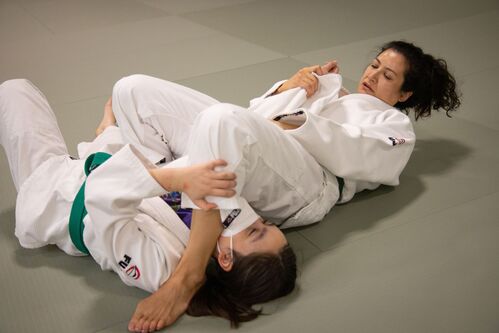
Judo Ann Arbor - Olympic Sport & Incredible Fitness
Shiai mean "match" or "competition." Judo is an Olympic sport practiced by millions around the world. You can compete in tournaments if you choose. Your aim is to use your physical and mental strength effectively, to develop yourself as a person, and become stronger, more effective, and more focused.
Judo Ann Arbor - Intense, Healthy & Athletic
Don’t wait to embark on your personal experience of Japanese budo culture. Come see the extraordinary training that can help rocket YOU to success! Intro lessons are free. You have nothing to lose, and EVERYTHING to gain.
Call us at (734) 720-0330 or email us at JMAC today!